Multi-Location Industrial Distributor + Engineer-to-Order Manufacturer
THE CHALLENGE
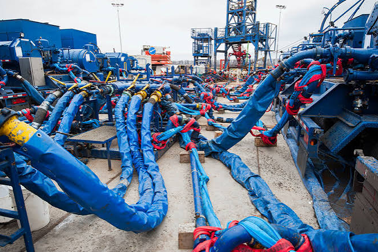
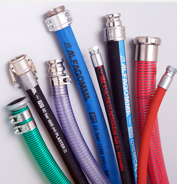
A multi-site growing industrial hose distributor and custom assembler was carrying approximately $10 million in inventory across six locations to support over $30M in revenue. Despite the investment, high-demand products still ran short while significant amounts of slow-moving stock remained untouched.
Purchasing was decentralized and heavily dependent on employee knowledge. Incomplete lead times, inconsistent min/max settings, duplicate parts, and reactive branch transfers made it difficult to know what to stock, where to stock it, and when to reorder.
THE SOLUTION
Pines Optimization analyzed 18 months of sales, inventory, and bill-of-material demand across the distribution network.
Each part was classified by:
Sales $$, quantity and volatility
Supplier lead time
Customer and operational criticality
This created a practical inventory strategy: protect predictable, high-demand products while reducing or eliminating replenishment settings for inactive items.
Pines then designed a hub-and-spoke pilot between the company’s central distribution facility and a nearby branch. The model established data-driven inventory levels, consolidated purchasing, and replaced emergency transfers with planned replenishment.
The first 60 days...
Identified approximately $3M (30%) in dead/slow moving inventory across all locations.
Developed and implemented min/max model pilot 100 SKU’s in 3 locations and lowered inventory by $40k.
Identified ~ $1k per week in logistics savings by reducing unnecessary branch transfers.
Established Inventory Policy and procurement process to remove the guesswork from the inventory planning cycle.
The company also began correcting min/max settings, collecting current supplier lead times, strengthening purchase approvals, and using available inventory at other locations before issuing new purchase orders.
THE RESULT was a repeatable, data-driven approach to inventory that reduced working-capital exposure while protecting the fast response times industrial customers depend on.